- Pain Relief Techniques Through Massage
- Self-Massage Techniques at Home
- Using foam rollers effectively
Maximizing Your Foam Roller Experience for Pain Relief
Explore how to use foam rollers effectively for self-massage and pain relief, including techniques, benefits, and local practitioners in Del Mar, CA.
Explore the guide
Welcome to the Del Mar Therapeutic Massage GuideDel Mar Therapeutic Massage Guide, your trusted resource for understanding various therapeutic techniques designed to enhance your well-being. In the quest for pain relief and relaxation, many individuals are discovering the incredible benefits of foam rolling. This simple yet effective tool can transform your self-care routine, allowing you to alleviate muscle tension, improve flexibility, and promote recovery. Whether you're an athlete seeking to enhance performance or someone simply looking to unwind after a long day, mastering the art of foam rolling can provide profound benefits. In this article, we will explore how to maximize your foam roller experience effectively. , your trusted resource for understanding various therapeutic techniques designed to enhance your well-being. In the quest for pain relief and relaxation, many individuals are discovering the incredible benefits of foam rolling. This simple yet effective tool can transform your self-care routine, allowing you to alleviate muscle tension, improve flexibility, and promote recovery. Whether you're an athlete seeking to enhance performance or someone simply looking to unwind after a long day, mastering the art of foam rolling can provide profound benefits. In this article, we will explore how to maximize your foam roller experience effectively.
We will delve into techniques that can help you target specific muscle groups, understand the best practices for incorporating foam rolling into your routine, and discover how this practice fits into the broader category of self-massage techniques at home. By understanding and applying these methods, you’ll be able to achieve a higher level of comfort and mobility in your daily life. As part of our commitment to guiding you through various pain relief techniques through massage, this article is designed not just to inform but to empower you with practical knowledge. Join us as we unlock the potential of foam rolling and equip you with the tools to enhance your physical well-being. Foam rolling has gained popularity as a highly effective self-massage technique, offering individuals a way to manage pain and enhance recovery without the need for professional intervention. For those in Del Mar, CA, the Del Mar Therapeutic Massage Guide serves as an invaluable resource for exploring various methods of pain relief, including foam rolling.
This article will delve into the different types of foam rollers available, their benefits, and how to use them effectively. There are several types of foam rollers on the market, each designed to cater to different needs and preferences. The most common types include standard foam rollers, grid foam rollers, and vibrating foam rollers. Standard foam rollers are solid and provide a consistent surface for rolling, making them ideal for beginners. Grid foam rollers feature raised patterns that offer varying levels of pressure, allowing users to target specific muscle groups more effectively.
Vibrating foam rollers add another layer of muscle relief by using vibration technology to enhance blood flow and reduce muscle soreness. The benefits of using foam rollers are numerous. Regular use can lead to improved circulation, which is essential for muscle recovery, especially after intense workouts. Additionally, foam rolling can alleviate muscle tightness and knots, providing significant pain relief. By breaking down adhesions in the fascia—the connective tissue surrounding muscles—foam rolling can enhance flexibility and range of motion, making it a valuable addition to any fitness regimen. To use foam rollers effectively, it's important to follow a few simple steps tailored to different body parts.
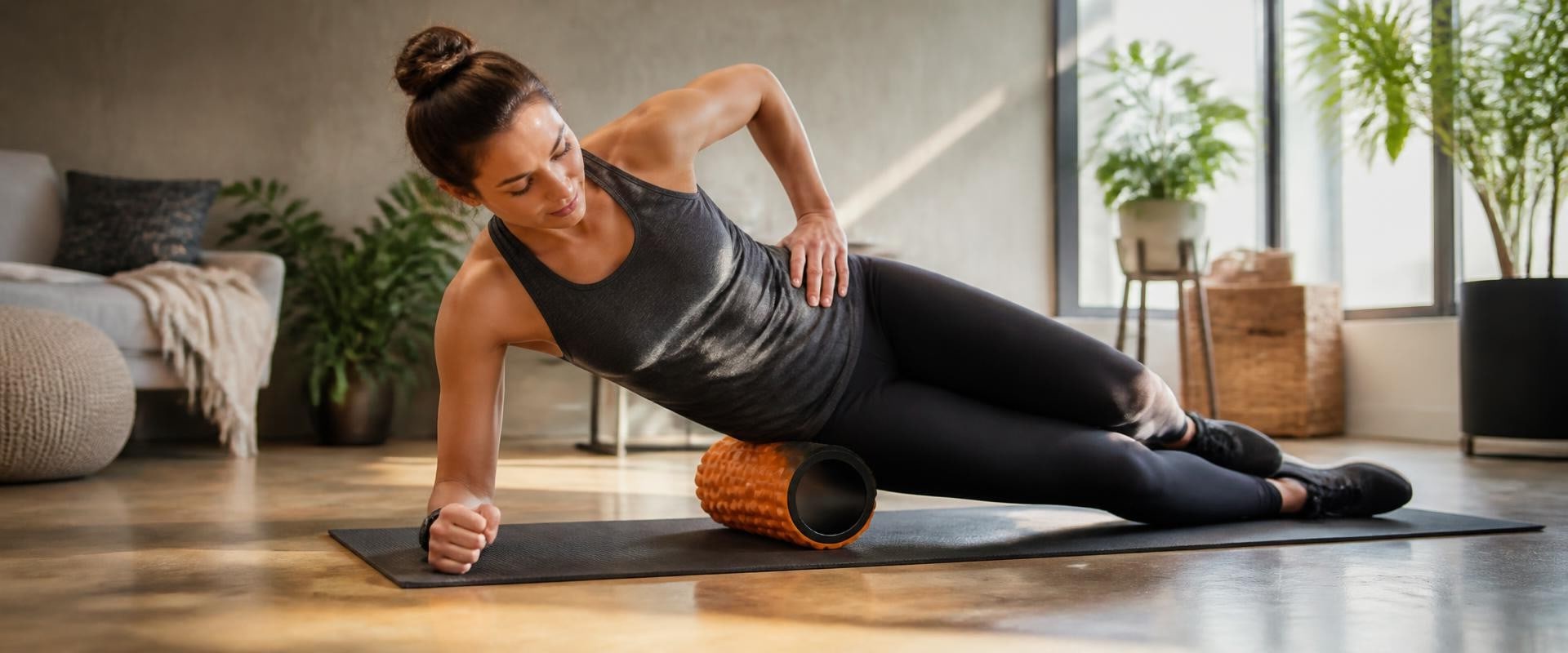
For the back, position the roller horizontally beneath your upper back and gently roll up and down, pausing on any tender spots for 20-30 seconds. For the legs, sit on the floor with the roller under your thigh. Slowly roll from your hip down to your knee while adjusting your body weight to control the pressure. For the hips, lie face down with the roller positioned under one hip.
Gently roll back and forth to relieve tension. Integrating foam rolling into your regular self-care routine is straightforward. Aim for at least 10-15 minutes of foam rolling after workouts or on rest days to promote recovery. You can also incorporate it into your morning routine or before bed as a way to unwind and relieve tension accumulated throughout the day. Despite its many benefits, there are some common concerns and misconceptions surrounding foam rolling. One of the most prevalent myths is that foam rolling can replace professional massage therapy entirely.
While foam rolling is an excellent tool for self-care, it should not be viewed as a complete substitute for therapeutic massage. Professional therapists have the expertise to address complex issues that may require targeted techniques beyond what a foam roller can offer. Therefore, if you experience persistent pain or discomfort, consider consulting local practitioners listed in the Del Mar Therapeutic Massage Guide, who can provide personalized advice on proper techniques and when it might be necessary to seek professional massage services. In conclusion, understanding how to use foam rollers effectively can significantly enhance your pain relief strategies at home. By exploring the various types available and their benefits, you can take control of your self-care practices and improve your overall wellness.
When to Seek Professional Help
While foam rolling can provide substantial benefits for self-care and pain relief, there are situations where seeking professional massage therapy may be more advantageous.The Del Mar Therapeutic Massage Guide emphasizes the importance of recognizing when to transition from self-massage techniques to professional assistance, ensuring that individuals receive the appropriate care for their specific needs. One scenario where professional help might be necessary is when experiencing persistent or severe pain that does not improve with foam rolling. Conditions such as chronic back pain, injuries from sports activities, or post-surgical recovery often require the expertise of a licensed massage therapist who can tailor treatments to address complex issues effectively. Additionally, individuals with underlying medical conditions or those recovering from an injury should consult a professional before relying solely on foam rollers. A trained therapist can assess the situation and recommend a comprehensive treatment plan that may include various techniques beyond what foam rolling can offer. Moreover, if you feel discomfort while using a foam roller or notice increased pain after rolling, it’s essential to seek professional guidance. A therapist can help identify any underlying issues and provide techniques to alleviate discomfort safely.
In such cases, the Del Mar Therapeutic Massage Guide serves as a valuable resource for finding qualified professionals in your area who can offer personalized care. Lastly, for those looking to enhance their overall wellness routine, integrating professional massage therapy alongside foam rolling can create a balanced approach to pain relief and recovery. This combination allows individuals to benefit from both self-care practices and the expertise of trained professionals, leading to more effective outcomes.
Benefits of Foam Rolling
Incorporating foam rolling into your routine can yield a multitude of therapeutic benefits that enhance your overall self-care practices. Foam rolling, a form of self-myofascial release, helps alleviate muscle tension and improve flexibility, making it an essential tool for anyone looking to manage pain and enhance recovery. This technique not only aids in relieving soreness after workouts but also promotes blood circulation, which is vital for muscle recovery and overall health. As highlighted in the Del Mar Therapeutic Massage Guide, foam rollers serve as a cost-effective and accessible means of self-massage, making it easy to integrate into your daily routine.By applying pressure to specific areas of the body, foam rolling can break down knots and adhesions in the muscles, leading to improved mobility and reduced discomfort. Moreover, regular use of foam rollers can contribute to better posture by addressing tightness in the fascia and muscles that may be pulling you out of alignment. This realignment not only helps with physical performance but can also lead to a decrease in chronic pain conditions. Overall, the benefits of foam rolling extend beyond immediate relief; they foster long-term wellness and resilience in your body. With the growing interest in self-care practices, foam rolling stands out as an effective method for enhancing pain relief strategies at home. Embracing this technique can empower individuals to take control of their wellness journey, making it an indispensable addition to any pain relief regimen.
Types of Foam Rollers
When it comes to using foam rollers effectively, understanding the various types of foam rollers available can significantly enhance your self-massage experience.Each type offers unique features tailored to different needs, making it essential to choose the right one for your specific goals. The Del Mar Therapeutic Massage Guide serves as an excellent resource for those in Del Mar, CA, looking to integrate foam rolling into their pain relief strategies. First, there are standard foam rollers, typically made from soft foam and designed for general use. These are ideal for beginners who are just starting with self-massage techniques. Their smooth surface allows for a gentle rolling experience, making them suitable for larger muscle groups like the back and thighs. Next, we have textured foam rollers, which feature ridges or bumps on their surface.
These are designed to provide deeper tissue penetration, mimicking the hands of a massage therapist. Textured rollers are great for targeting knots and trigger points, offering a more intense massage experience. They can be especially beneficial for athletes or individuals with chronic muscle tension. Another popular option is the half foam roller, which is cut in half lengthwise. This design provides stability and is perfect for balance exercises in addition to self-massage.
Half foam rollers can be particularly useful for those who want to incorporate core strengthening into their routine while also reaping the benefits of foam rolling. For those seeking portability, travel foam rollers are compact and lightweight, making them easy to carry around. Despite their smaller size, they still provide effective relief for tight muscles and can be a great option for on-the-go recovery. Lastly, vibrating foam rollers have gained popularity in recent years. These advanced tools combine traditional foam rolling with vibration technology, which can help enhance blood flow and increase muscle relaxation. While they may come at a higher price point, many users find that the added benefits justify the investment. Choosing the right type of foam roller is crucial for maximizing your self-care routine.
Whether you opt for a standard roller or explore advanced options like vibrating models, integrating foam rolling into your regimen can be a highly effective method for pain relief and muscle recovery. For those in Del Mar, CA, the Del Mar Therapeutic Massage Guide provides further insights into incorporating these techniques into your daily life.
How to Use Foam Rollers Effectively
To maximize the benefits of foam rolling, it is essential to understand the techniques that target different muscle groups effectively. Whether you are dealing with muscle tightness, soreness, or simply looking to enhance your recovery routine, proper foam rolling can be a game-changer. As highlighted in the Del Mar Therapeutic Massage Guide, self-care techniques like foam rolling can complement therapeutic massage and provide significant relief.1.Quadriceps:
To roll out your quadriceps, position the foam roller under your thighs while lying face down.Use your arms to support your weight and slowly roll from the hip to just above the knee. Pause for a few seconds on any tender spots to allow the muscle to relax.2.
Hamstrings:
Sit on the ground with the foam roller under your hamstrings. Lean back slightly and use your arms to lift your body weight as you roll from your knees to your glutes. Adjust your leg position to focus on any specific areas of tension.3.Calves:
For the calves, sit on the floor with your legs extended and place the foam roller under your calves.Cross one leg over the other for added pressure and roll from your ankles to just below your knees, stopping on any tight areas for a deeper release.4.
Back:
When rolling out your back, lie down with the foam roller positioned between your shoulder blades. Keep your knees bent and feet flat on the ground. Lift your hips off the floor and roll slowly up and down from the upper to lower back, avoiding direct pressure on the spine.5.IT Band:
To target the iliotibial (IT) band, lie on your side with the foam roller positioned beneath your hip. Roll from the hip down to just above the knee while keeping your body straight.This area can be particularly sensitive, so proceed gently.6.
Glutes:
For glute relief, sit on the foam roller with one foot crossed over the opposite knee. Lean into the side of the hip that you are targeting and roll back and forth to relieve tension. By incorporating these techniques into your routine, you can enhance your muscle recovery and overall well-being. Remember, consistency is key! Additionally, for those in Del Mar, CA, utilizing resources like the Del Mar Therapeutic Massage Guide can provide further insights into combining foam rolling with other therapeutic practices for optimal pain relief. In conclusion, we have explored the various aspects of using foam rollers effectively as a self-massage technique. We discussed the different types of foam rollers available, the numerous benefits associated with foam rolling, and practical tips on how to maximize its effectiveness.While foam rolling can significantly enhance your self-care routine and provide relief from muscle tension, it's important to recognize that it is not a substitute for professional therapeutic massage services. For those in Del Mar, CA, we encourage you to explore the Del Mar Therapeutic Massage Guide. This resource offers valuable insights into local practitioners and services that can complement your foam rolling efforts. By combining self-massage techniques with professional care, you can create a comprehensive approach to pain relief and overall wellness.