- Pain Relief Techniques Through Massage
- Targeted Techniques for Pain Relief
- Stretching and mobilization methods
Exploring Stretching and Mobilization Methods for Pain Relief
Learn about stretching and mobilization methods as part of therapeutic massage services in Del Mar, CA. Discover benefits, techniques, and local practitioners.

Explore the guide
Welcome to the Del Mar Therapeutic Massage GuideDel Mar Therapeutic Massage Guide, your go-to resource for understanding various therapeutic techniques aimed at enhancing well-being and alleviating pain. In today’s fast-paced world, many individuals find themselves grappling with discomfort due to stress, physical activity, or chronic conditions. As a result, the demand for effective pain relief methods has surged, leading many to explore a variety of approaches that can provide comfort and restore mobility. Among these methods, stretching and mobilization techniques have emerged as essential tools in the arsenal against pain, offering not only immediate relief but also long-term benefits for overall health and wellness. Stretching is often perceived as a simple activity aimed at improving flexibility, but its benefits extend far beyond just the physical realm.
When combined with mobilization techniques, which focus on enhancing joint movement and function, these methods can significantly contribute to pain management strategies. By understanding how these practices work, individuals can take proactive steps toward improving their quality of life. In this article, we will delve into the various stretching and mobilization methods available, examining their relevance in pain relief and how they can be effectively integrated into daily routines. Join us as we explore the fascinating world of stretching and mobilization methods within the context of therapeutic massage. By the end of this journey, you will have a clearer understanding of how these techniques can not only alleviate discomfort but also promote a healthier, more active lifestyle.
Let’s unlock the potential of your body together, guided by insights from the Del Mar Therapeutic Massage Guide.Stretching and mobilization methods are essential components of therapeutic massage practices, offering a range of benefits from pain relief to improved flexibility and overall well-being. These techniques are increasingly recognized in the wellness community, particularly within the framework provided by the Del Mar Therapeutic Massage Guide, which serves as an invaluable resource for understanding how these methods can be effectively integrated into therapeutic sessions. There are several distinct types of stretching and mobilization techniques utilized in therapeutic massage, each with unique benefits and applications. Among these, static stretching involves holding a stretch in a comfortable position for a duration of time, typically 15-60 seconds. This method is particularly effective for lengthening muscles and improving flexibility, which can help alleviate muscle tension and reduce pain.
Dynamic stretching, on the other hand, incorporates movement into the stretching process. It involves controlled leg and arm swings that gently take you to the limits of your range of motion, making it ideal for warming up before physical activities.
Passive stretching
is another technique where an external force—such as a practitioner or equipment—is used to assist in stretching the muscles. This method helps deepen the stretch without requiring active participation from the client, making it a gentle yet effective approach to relieving tension. In contrast, active release techniques (ART) focus on specific muscle groups and involve the practitioner applying pressure while the client actively moves through a range of motion.This technique is particularly beneficial for addressing chronic pain and tightness by targeting adhesions and restrictions in muscle tissue. The science behind these methods lies in their ability to relieve tension and increase mobility through various physiological mechanisms. Stretching helps elongate muscle fibers, enhance blood flow, and stimulate the nervous system, leading to reduced muscle tightness and improved range of motion. Mobilization techniques can also facilitate joint movement and improve synovial fluid circulation, which are crucial for joint health and function. Clients can expect a supportive and calming environment during their sessions focused on stretching and mobilization methods. Practitioners will often begin by discussing specific areas of concern, allowing for a tailored approach that addresses individual needs.
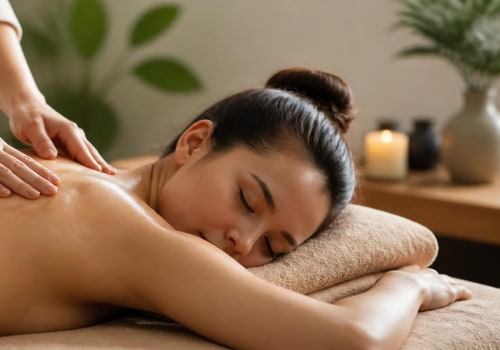
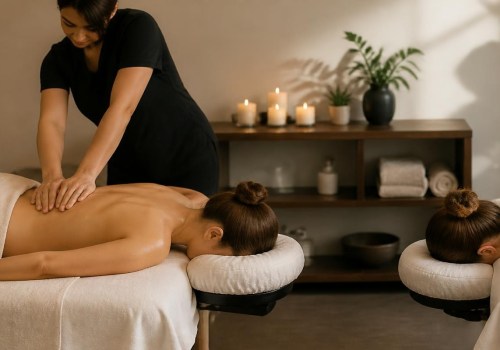
The atmosphere is typically tranquil, with soft lighting and soothing music to promote relaxation. Interaction with practitioners may include guidance on proper techniques, feedback on progress, and adjustments to ensure comfort throughout the session. Aftercare is an important aspect of these methods. Clients are often advised to stay hydrated post-session, engage in light activities to maintain mobility, and practice gentle stretches at home to reinforce the benefits achieved during their appointment. Regular sessions can lead to lasting improvements in flexibility and pain management. For those seeking local practitioners specializing in these techniques, Del Mar offers a variety of skilled professionals who are well-versed in both stretching and mobilization methods.
Utilizing resources like the Del Mar Therapeutic Massage Guide, clients can find qualified therapists who can help them navigate their pain relief journey effectively. By connecting with local experts, individuals can enhance their understanding of these techniques while fostering a sense of community within Del Mar.
What to Expect During Your Massage Session
When you arrive for your therapeutic massage session, particularly one that emphasizes stretching and mobilization methods, you can expect a welcoming environment designed to help you relax. The therapist will typically begin with a brief consultation to understand your specific needs and any areas of tension or discomfort you may have. This is an important step, as it allows the therapist to tailor the session to address your unique pain relief goals. Throughout the session, you will experience various techniques aimed at improving flexibility and mobility.The therapist may employ gentle stretching, joint mobilization, and soft tissue manipulation to facilitate movement and alleviate tightness. It's essential to communicate openly with your therapist during the session about what feels comfortable and if any adjustments are needed. The Del Mar Therapeutic Massage Guide emphasizes the importance of being aware of your body’s responses during these methods. You might feel some discomfort as tight muscles are worked on, but it should not be painful. If you do experience significant pain, let your therapist know immediately so they can adjust their approach. In addition to physical manipulation, your therapist may also provide guidance on post-session care.
This could include recommendations for stretches to perform at home or advice on hydration and rest, ensuring that you continue to benefit from the stretching and mobilization methods long after your massage is complete. Overall, anticipate a session that not only addresses immediate discomfort but also contributes to long-term pain relief and improved mobility through informed and professional therapeutic techniques.
Finding Practitioners in Del Mar
Locating qualified massage therapists who specialize in stretching and mobilization methods in Del Mar can significantly enhance your pain relief journey. A great starting point is the Del Mar Therapeutic Massage Guide, which offers valuable insights into local practitioners and their specialties. This guide serves as a comprehensive resource, helping you navigate the various options available in the area. When searching for a practitioner, consider the following tips: First, check online directories and local listings that focus on therapeutic massage services. Websites like Yelp or Google Maps can provide reviews and ratings, which are helpful in assessing the quality of care offered by different therapists. Additionally, look for therapists who specifically mention their expertise in stretching and mobilization methods.Many professionals will list their certifications and techniques on their websites or social media profiles. Don’t hesitate to reach out directly to ask about their experience with these specific methods and how they can tailor their approach to meet your needs. Another effective strategy is to join local community groups or forums where members share personal recommendations. Engaging with others who have experienced therapeutic massage in Del Mar can provide you with firsthand insights into which practitioners have successfully helped them manage pain through stretching and mobilization techniques.Finally, once you have a shortlist of potential therapists, consider scheduling an initial consultation. This meeting is an excellent opportunity to discuss your specific pain concerns, inquire about their approach to treatment, and determine if you feel comfortable with them.
Utilizing resources like the Del Mar Therapeutic Massage Guide will ensure you find qualified professionals who can assist you on your path to pain relief.
Mobilization Methods Explained
Mobilization methods are therapeutic techniques designed to improve joint function and increase range of motion. These methods play a crucial role in pain relief and recovery, particularly in conjunction with therapeutic massage. The Del Mar Therapeutic Massage Guide provides an insightful overview of these techniques, helping readers understand how mobilization can enhance their overall well-being. One of the primary mobilization methods is joint mobilization. This technique involves the gentle movement of joints to restore their proper functioning.By systematically applying pressure and movement, practitioners can alleviate pain associated with stiffness or injury. Joint mobilization is beneficial for conditions such as arthritis and post-surgical recovery, as it promotes blood flow and reduces inflammation. Another effective method is soft tissue mobilization, which targets the muscles, fascia, and connective tissues surrounding the joints. This approach not only helps in reducing muscle tension but also aids in breaking down scar tissue and adhesions that may contribute to pain. Soft tissue mobilization can be particularly useful for athletes recovering from injuries or individuals dealing with chronic pain.
Neural mobilization
is another technique that focuses on the nervous system's role in pain perception.By gently stretching and mobilizing nerves, practitioners can help alleviate symptoms related to conditions like sciatica or carpal tunnel syndrome. This method aims to reduce nerve tension, which can significantly contribute to pain relief. Lastly, passive mobilization involves the practitioner moving the client’s limbs without any effort from the client. This technique is especially beneficial for individuals who may have limited mobility due to injury or surgery, allowing them to regain range of motion safely. Incorporating passive mobilization into therapeutic massage sessions can enhance relaxation and facilitate faster healing. As highlighted in the Del Mar Therapeutic Massage Guide, understanding these mobilization methods can empower individuals seeking effective pain relief strategies.
By integrating these techniques into their wellness routines, clients can experience improved mobility and a significant reduction in discomfort.
Understanding Stretching Techniques
Stretching techniquesStretching techniques play a vital role in therapeutic massage, offering numerous benefits for pain relief and overall body function. The Del Mar Therapeutic Massage Guide serves as an essential resource for those looking to explore the various stretching methods that can be integrated into massage therapy practices. By understanding these techniques, practitioners and clients alike can enhance their approach to pain management and recovery. There are several types of stretching techniques commonly used in massage therapy, each tailored to address specific needs and conditions. One of the most prevalent types is static stretching, where a muscle is gradually elongated and held in a position for a period of time.This method is effective for improving flexibility and is often employed to alleviate tension in tight muscles.
Dynamic stretching
is another technique that involves moving parts of the body through a full range of motion. It is particularly useful as part of a warm-up routine before physical activity, helping to prepare the muscles for exertion. This technique can also aid in enhancing circulation and reducing the risk of injury.PNF (Proprioceptive Neuromuscular Facilitation)
stretching is a more advanced technique that combines both stretching and contracting of the muscle group being targeted. Typically performed with a partner or therapist, PNF stretching can yield significant improvements in flexibility and range of motion, making it beneficial for those recovering from injuries or dealing with chronic pain. Finally, myofascial release techniques are often employed alongside traditional stretching methods.This approach focuses on relieving tension in the fascia, which is the connective tissue surrounding muscles. By applying sustained pressure and gentle stretching, therapists can help release restrictions within the fascia, leading to improved mobility and pain relief. Incorporating these various stretching techniques into therapeutic massage not only enhances the effectiveness of the treatment but also empowers clients with tools for self-care and ongoing wellness. For more detailed insights on these methods, the Del Mar Therapeutic Massage Guide provides invaluable information tailored to individuals seeking effective pain relief strategies. In conclusion, stretching and mobilization methods play a critical role in therapeutic massage, especially for those seeking effective pain relief. These techniques not only enhance flexibility and mobility but also address specific discomforts that can arise from various physical activities or conditions.
By incorporating these methods into massage therapy, practitioners can provide a holistic approach to managing pain and improving overall well-being. The Del Mar Therapeutic Massage Guide serves as an invaluable resource for individuals looking to explore these therapies further. It offers insights into finding qualified local practitioners who specialize in these techniques, ensuring that readers are well-informed when seeking pain relief solutions. By utilizing this guide, you can confidently navigate your options and make informed decisions about your therapeutic journey.