- Types of Therapeutic Massage
- Sports Massage
- Benefits for athletes
Exploring the Benefits of Therapeutic Massage for Athletes
Learn about the various types of therapeutic massage available in Del Mar, CA, their benefits for athletes, and what to expect during a session.
Explore the guide
Welcome to the Del Mar Therapeutic Massage GuideDel Mar Therapeutic Massage Guide, your trusted source for understanding the myriad benefits of therapeutic massage, particularly for athletes. In the world of sports, where performance and recovery are paramount, athletes continually seek methods to enhance their physical capabilities and overall well-being. Among the various techniques available, therapeutic massage stands out as an effective tool that not only aids in recovery but also promotes peak performance. This article delves into the specific advantages that therapeutic massage offers to athletes, highlighting how it can improve flexibility, reduce muscle tension, and prevent injuries. Whether you're a seasoned professional or a weekend warrior, understanding these benefits can empower you to make informed choices about your training and recovery regimen.
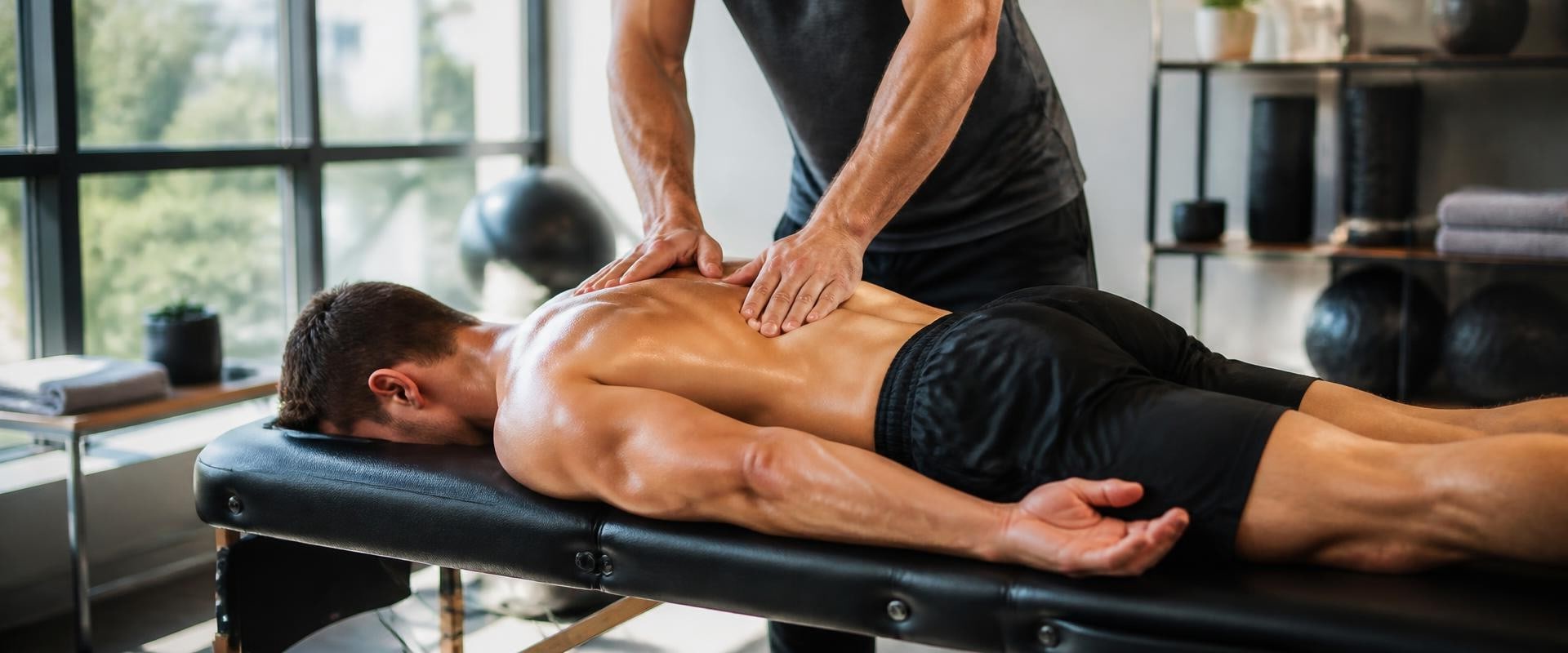
Join us as we explore the unique ways therapeutic massage can transform your athletic experience and contribute to your success. Therapeutic massage offers a range of benefits for athletes, making it an essential component of their training and recovery regimen. As outlined in the Del Mar Therapeutic Massage Guide, this article will delve into various types of massage therapies available in Del Mar, with a particular emphasis on sports massage. Athletes face unique physical demands, and therapeutic massage can play a crucial role in enhancing performance, reducing injury risk, and facilitating recovery. Sports massage is tailored specifically for athletes, focusing on the muscles relevant to their sport. This type of massage can include various techniques such as deep tissue massage and trigger point therapy.
Each technique serves a distinct purpose; for instance, deep tissue massage applies firm pressure to reach deeper layers of muscle and fascia, effectively alleviating chronic pain and tension. This is particularly beneficial for athletes who may experience ongoing discomfort due to intensive training schedules. Another effective technique is trigger point therapy, which targets specific areas of muscle tightness or knots. By applying localized pressure to these points, therapists can relieve pain and improve overall muscle function. Athletes often find that addressing these specific issues not only enhances their performance but also contributes to a quicker recovery time. The physiological benefits of therapeutic massage are well-documented.
Improved circulation is one significant advantage, as increased blood flow promotes the delivery of oxygen and nutrients to tired muscles while aiding in the removal of metabolic waste. This process accelerates healing and reduces muscle soreness after workouts. Additionally, therapeutic massage helps reduce muscle tension and enhance flexibility, allowing athletes to maintain peak physical condition and perform at their best. Beyond the physical advantages, there are also psychological benefits associated with therapeutic massage. Many athletes report feeling more relaxed and mentally focused following a session.
The calming effects of massage can help alleviate stress and anxiety, which are common challenges faced by competitive individuals. The combination of physical relief and mental clarity can create a more balanced state for athletes, contributing to their overall well-being. For those who may be new to therapeutic massage, it’s essential to understand what to expect during a session. Typically, clients will first have a brief consultation with their therapist to discuss any specific concerns or areas of focus. The therapist will then guide the client through the session, ensuring that they are comfortable and addressing any discomfort that may arise during the process.
Post-massage care is equally important; clients should hydrate well and consider gentle stretching or light activity to maximize the benefits of their treatment. Athletes in Del Mar have access to numerous skilled practitioners specializing in these techniques. When comparing options, it’s beneficial to consider factors such as the types of massage offered, the therapist's experience with athletes, and any specialized techniques they might employ. Each athlete has unique needs based on their sport and personal preferences, so finding the right match is crucial for maximizing the benefits of therapeutic massage. In conclusion, incorporating therapeutic massage into an athlete's routine can yield significant advantages for both physical performance and mental resilience. From enhancing recovery times to alleviating chronic pain through targeted therapies like deep tissue and trigger point therapy, the benefits are clear.
As highlighted in the Del Mar Therapeutic Massage Guide, understanding the different types of massage available allows athletes to make informed decisions about their recovery and wellness strategies.
Finding the Right Practitioner
Finding a qualified therapeutic massage practitioner who specializes in services beneficial for athletes is crucial for maximizing recovery and enhancing performance. The Del Mar Therapeutic Massage Guide serves as an excellent starting point for athletes in Del Mar, CA, looking to understand their options. Begin your search by seeking practitioners who have specific experience working with athletes, as they are more likely to understand the unique physical demands and recovery needs associated with various sports. One effective way to locate a qualified practitioner is to ask for recommendations from fellow athletes, coaches, or local sports organizations. They can provide insights into their experiences with different massage therapists.Additionally, online reviews and testimonials can give you an idea of the practitioner's reputation and the quality of care they provide. When evaluating potential practitioners, consider their qualifications and certifications. Look for therapists who have received specialized training in sports massage or therapeutic techniques aimed at pain relief and recovery. Many practitioners will display their credentials on their websites or in their offices. It's also important to schedule an initial consultation or interview with a prospective therapist. This meeting allows you to discuss your specific needs as an athlete and gauge the therapist's understanding of sports-related issues.
A good practitioner will take the time to listen to your concerns and tailor their approach to your individual requirements. Finally, ensure that the environment is professional and welcoming. A comfortable setting can enhance your overall experience and help you relax during sessions. By following these steps and utilizing the Del Mar Therapeutic Massage Guide, you'll be well-equipped to find a practitioner who can support your athletic journey through effective therapeutic massage.
Benefits of Sports Massage
Sports massage is a specialized form of therapeutic massage designed to support athletes in their training and recovery routines. As part of the Del Mar Therapeutic Massage Guide, we aim to highlight the significant benefits that sports massage offers to help athletes optimize their performance and manage pain effectively. One of the primary benefits of sports massage is pain relief.Athletes often experience muscle soreness or tension due to rigorous training and competition. Sports massage techniques can target specific muscle groups, relieving tightness and alleviating discomfort. This not only enhances the athlete's comfort but also allows for a more focused approach to training. Another key advantage is enhanced performance. Regular sports massage can improve blood circulation, which facilitates better nutrient delivery to muscles and aids in the removal of metabolic waste products.
This increased circulation can help athletes maintain peak performance levels, as it supports muscle recovery and reduces fatigue during workouts. Moreover, sports massage plays a vital role in injury prevention. By addressing areas of tension and promoting flexibility, athletes can reduce the risk of injuries that commonly occur from overuse or strain. A well-timed sports massage can prepare muscles for upcoming events while also aiding in recovery post-competition, ensuring athletes stay in top shape throughout their training cycles. In summary, the benefits of sports massage encompass pain relief, enhanced performance, and injury prevention. By incorporating this therapy into their regimen, athletes can experience improved overall wellness.
For more insights on how sports massage fits into your training plan, refer back to the Del Mar Therapeutic Massage Guide.
What to Expect During Your Session
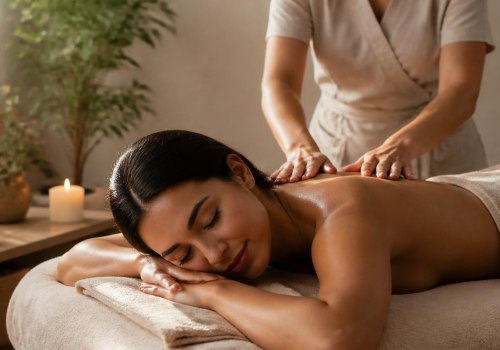
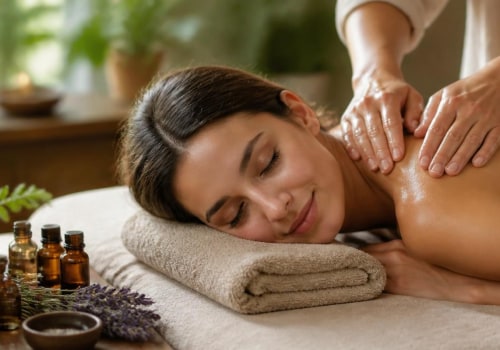
When visiting a therapist as part of the Del Mar Therapeutic Massage Guide, athletes can expect a carefully structured session designed to enhance recovery and performance. The session typically begins with a brief consultation where the therapist assesses the athlete's needs, any specific areas of concern, and overall goals for the massage. This conversation is crucial in tailoring the massage experience to ensure it meets the athlete's individual requirements. Preparation for the session is straightforward. Athletes are advised to arrive hydrated and to wear comfortable clothing that allows for easy movement.Depending on the type of massage selected—be it deep tissue or sports massage—athletes may be asked to undress to their level of comfort, as this enables the therapist to access the muscle groups more effectively. However, draping techniques will be used to ensure privacy and comfort throughout the session. During the massage, a variety of techniques may be employed, including kneading, stretching, and deep pressure application. These methods work to alleviate tension, promote blood flow, and enhance flexibility. The therapist will adjust their approach based on real-time feedback from the athlete, ensuring that pressure levels are comfortable yet effective. Aftercare is an essential part of the therapeutic process.
Once the session concludes, athletes are encouraged to drink plenty of water to help flush out any toxins released during the massage. Additionally, light stretching and rest can further aid in recovery. The therapist may also offer personalized aftercare tips based on the athlete's specific needs, which can include recommendations for at-home stretches or exercises. In summary, a typical therapeutic massage session for athletes in Del Mar is a holistic experience focused on recovery and performance enhancement. By understanding what to expect during your session, athletes can maximize the benefits of therapeutic massage as outlined in the Del Mar Therapeutic Massage Guide.
Types of Therapeutic Massage for Athletes
In the realm of sports and athletic performance, understanding the various types of therapeutic massage can be a game changer.The Del Mar Therapeutic Massage Guide emphasizes the significance of tailored massage techniques that cater specifically to athletes' needs. Among the most popular options are sports massage, deep tissue massage, and other specialized techniques that play crucial roles in recovery and performance enhancement.
Sports massage
is designed to address the unique challenges faced by athletes, focusing on areas of tension and soreness that arise from rigorous training and competition. This technique not only aids in recovery but also helps in preventing injuries by increasing flexibility and circulation. Typically, a sports massage session involves a combination of stretching, deep pressure, and rhythmic techniques that target specific muscle groups engaged during athletic activities. Another effective option is deep tissue massage, which delves deeper into the muscle layers to relieve chronic pain and tension.This type of massage is particularly beneficial for athletes who experience tightness and discomfort due to repetitive strain or overuse injuries. By applying concentrated pressure to knots and adhesions in the muscles, deep tissue massage promotes healing and enhances overall mobility. In addition to these popular techniques, athletes may also benefit from modalities such as myofascial release, which focuses on relieving tension in the fascia—the connective tissue surrounding muscles. This method can improve flexibility and range of motion, which are essential for optimal athletic performance. Furthermore, trigger point therapy targets specific points within muscles that can cause referred pain elsewhere in the body, ensuring comprehensive care for athletes. The Del Mar Therapeutic Massage Guide aims to provide athletes with essential insights into these various therapeutic techniques, helping them make informed choices about their recovery strategies.
By exploring the different types of therapeutic massage available, athletes can find the right fit for their needs, ultimately enhancing their performance and well-being. In conclusion, therapeutic massage is an invaluable tool for athletes looking to enhance their performance and expedite recovery. Throughout this article, we explored various types of therapeutic massage specifically designed for athletes, highlighting the numerous benefits of sports massage, including improved circulation, reduced muscle tension, and enhanced flexibility. Additionally, we provided insights into what to expect during a session and how to find the right practitioner to meet your individual needs. As part of the Del Mar Therapeutic Massage Guide, we encourage you to take the next step in your athletic journey by exploring these options. Don’t hesitate to seek out local practitioners who can assist you in achieving your fitness goals and maintaining your overall well-being.
Embrace the benefits that therapeutic massage offers and elevate your athletic performance today!.